Learning from South Asia: What Tonga’s Energy Leaders Are Bringing Home for the Pacific
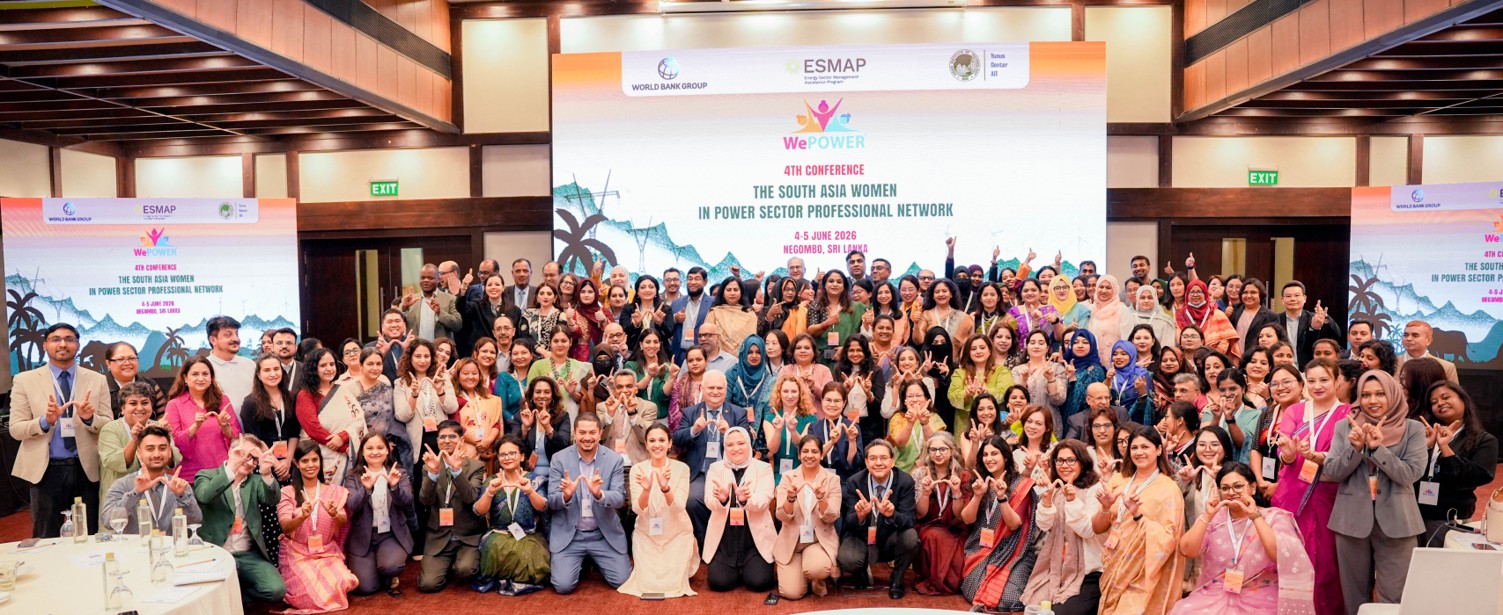
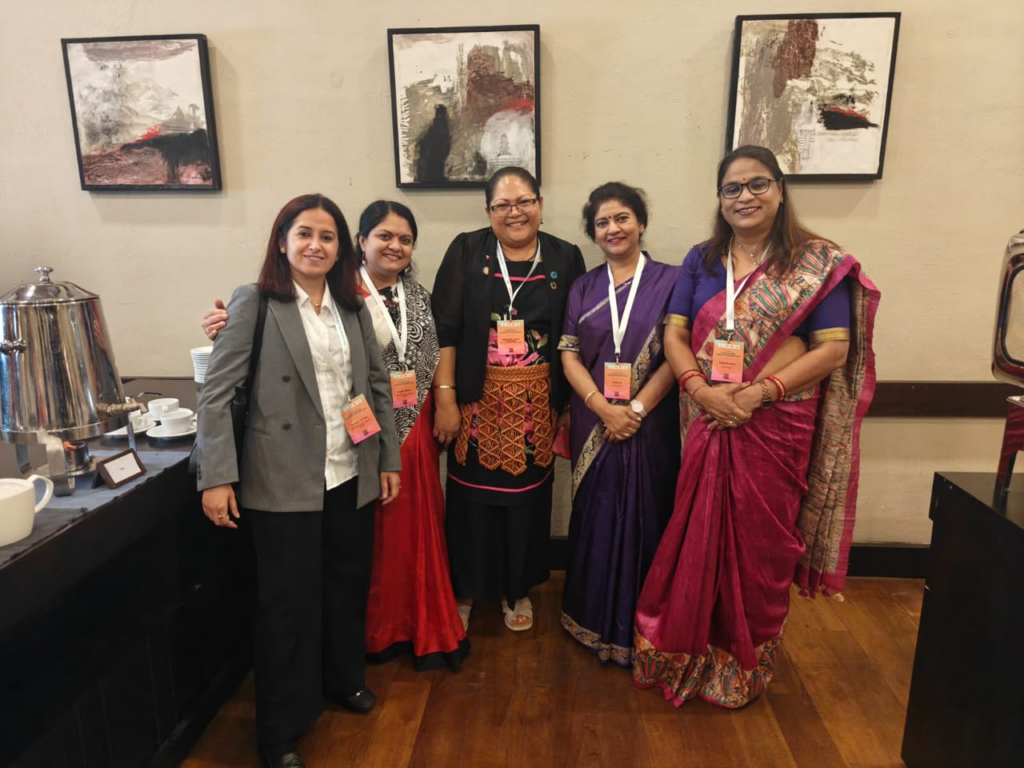
NUKU’ALOFA, June 2026 — When Feauini “Winnie” Laumanu, Director for Energy of the Ministry of Meteorology, Energy, Information, Disaster Management, Environment, and Climate Change (MEIDECC) of the Government of Tonga, travelled to Sri Lanka in June, she was representing more than her country. Attending the 4th Regional Conference of the South Asia Women in Power Sector Professional Network (WePower) on behalf of the World Bank’s Pacific Women in Power (PWIP) program, Winnie joined energy professionals from across South Asia to explore practical approaches to increasing women’s participation and leadership in the power sector.
Established in 2019 with World Bank support, WePOWER is a regional network that works to increase women’s participation in the power sector, including technical, operational and leadership roles, while encouraging more girls and women to pursue STEM education and careers. The network brings together more than 50 power utilities and partner organizations across South Asia, supporting members to implement practical initiatives that improve recruitment, retention and career progression for women. To date, WePOWER’s activities have reached more than 235,000 women and girls, with the network coordinated through a permanent Regional Secretariat at the Asian Institute of Technology in Thailand.
For Winnie, seeing that model in action offered valuable insights into how PWIP can continue strengthening opportunities for women across Pacific utilities through collaboration, professional development and shared learning
Broadening the Circle
For Winnie, one of WePOWER’s greatest strengths was the breadth of the network and the range of voices involved.
“It was my first time not only in person, but to get to the arena of women in the sector—it was incredible,” she said. “There was a vast variety of women in energy at WePOWER. It was not only the utilities; we also gathered with government agencies, local government, NGOs and educators. And when I say educators, it’s scholars themselves, professors and university staff who run and develop courses.”
The experience reinforced that increasing women’s participation in energy requires more than utilities acting alone. It also depends on the organizations that educate future engineers and technicians, shape policy, influence workplaces and create career pathways.
One of Winnie’s strongest takeaways was the importance of expanding partnerships beyond the traditional energy sector. While PWIP has built strong relationships with Pacific utilities and government energy agencies, she believes universities, technical training providers, NGOs and professional organizations all have a role in supporting women’s careers in energy.
“PWIP will be stronger if we engage other stakeholders and sectors. My failure can be someone’s strength, and someone’s strength can be my failure. Getting other sectors and their opinions gives more—and it gives everyone something to build on.”
She also highlighted the importance of engaging men as partners in advancing gender equality. Across WePOWER, male leaders and colleagues are involved in mentoring, workplace change and supporting more inclusive organizations.
“They engage men, they [men employed in the sector] see the success, they join, they support, and they’re keen. Gender equality in the energy sector moves faster when they are involved.”
Learning From Each Other
Another feature that stood out was WePOWER’s emphasis on continuous collaboration.
Rather than meeting once a year to report on activities, member organizations work throughout the year before coming together to exchange practical experience—sharing not only what they achieved, but how they achieved it.
“That collaboration, that network, is not only consistent—they share how they do their work, how they get together and share their ideas.”
For Winnie, that practical exchange offers a valuable model for regional cooperation.
“This kind of platform allows everyone to share their ideas and challenges. That kind of sharing and caring for each other, talking and learning—that’s what makes the network stronger.”
Investing in Skills
Professional development was another area that resonated strongly.
Conference sessions highlighted training programs supporting women at every career stage—from students entering the workforce to technical specialists and senior executives.
Winnie returned to Tonga with examples of training resources that could help inform future PWIP activities across the Pacific.
“This kind of training is for all levels. If PWIP can use this kind of training, it will be very beneficial to Tonga or to any country that is part of PWIP in the Pacific region.”
She was particularly interested in leadership development, recognizing the influence senior decision-makers have in creating more inclusive workplaces.
“The more they train leaders, the more engaged, the more open-minded, the more support that they get. It doesn’t matter what kind of leader—the more you train them, the more support you gain.”
Building on Tonga’s existing work with the National Qualifications and Accreditation Board, she hopes elements of the WePOWER approach can be adapted for Pacific utilities.
“I will see how I can work with the team to make sure women are not only encouraged into the sector, but trained, educated and confident—whether you want to be an auditor, a technician or a commissioner.”
Bringing the Pacific Perspective
The conference also provided an opportunity for Pacific experience to contribute to regional discussions.
During a panel session, Winnie shared Tonga’s experience following the introduction of the country’s Energy Act, which strengthened collaboration across government agencies and the wider energy sector.
“Once the Energy Act was approved, there’s a lot more collaboration happening now. We started working more as a team and because gender is part of it, it will gear up the women and empower collaboration in the sector.”
She also noted that while many common workforce challenges were discussed, Pacific countries face additional pressures associated with responding to natural disasters and maintaining resilient energy systems. Participants welcomed the perspective, reinforcing the value of learning across regions with different operating environments.
Building Momentum Across the Pacific
For PWIP, Winnie’s participation highlighted the value of connecting the Pacific’s growing network of Trailblazer utilities with established regional initiatives such as WePOWER. As PWIP continues to support utilities across the Pacific to recruit, retain and advance more women in the energy sector, the experiences and practical approaches shared in Sri Lanka provide ideas that can be adapted to Pacific contexts.
Like WePOWER, PWIP is building a community of practice where utilities can learn from one another, share challenges and showcase progress. The network’s ten Trailblazer utilities have begun reporting annually on their gender equality commitments and achievements at the Pacific Power Association Conference, creating an opportunity to exchange lessons, celebrate successes and strengthen accountability across the region. The next progress update will be presented at the PPA Conference in November.
For Winnie, the greatest lesson from Sri Lanka was that lasting change comes through sustained collaboration. Stronger networks, broader partnerships and continued investment in people can help build more diverse, capable and inclusive energy workforces—not only in South Asia, but across the Pacific.
As PWIP continues to grow, the connections forged through WePOWER are helping strengthen a Pacific network where utilities learn not only from one another, but from peers across regions—bringing home practical ideas that can help create more opportunities for women to enter, thrive and lead in the energy sector.